Cultural Influences on Game Selection Patterns in International Mobile Casino Users
Written by Uma Meier · Oct 19, 2026
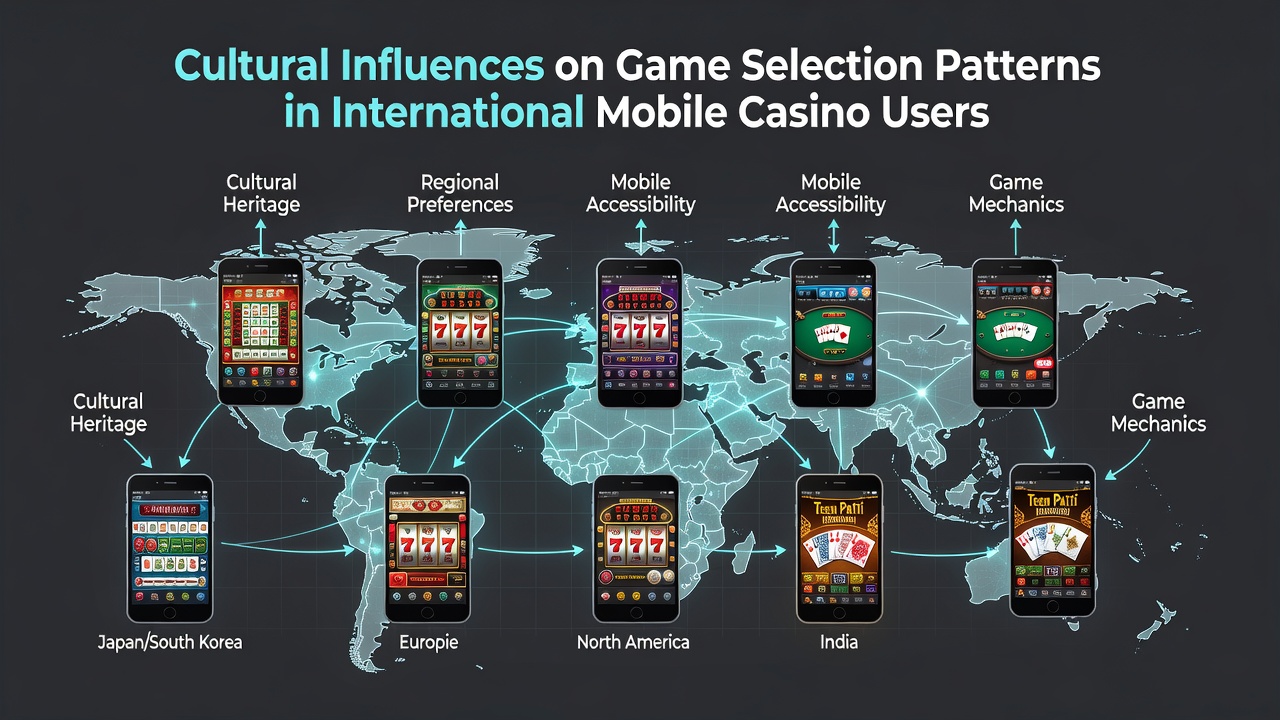
Cultural Influences on Game Selection Patterns in International Mobile Casino Users
Observers note that mobile casino users across borders display distinct game selection habits shaped by longstanding cultural traditions, and data from regulatory bodies reveals consistent regional variances in preferences for reel-based games versus table variants as of October 2026. Researchers tracking user behavior in multiple markets have documented how historical exposure to chance-based entertainment influences choices on handheld devices, while mobile platform analytics show that users from collectivist societies often gravitate toward social features embedded in slots or bingo-style titles whereas those from individualist regions lean into strategy-driven card games when connectivity allows seamless play.
Regional Variations in Game Preferences
Studies compiled by the Netherlands Gambling Authority indicate that European users maintain higher engagement rates with blackjack and roulette variants on mobile interfaces compared to other formats, and this pattern aligns with centuries-old card game traditions prevalent in the region since the Renaissance era. In contrast, figures released by the Australian Institute of Family Studies highlight elevated selection of themed reel games among users in Oceania, where narrative elements drawn from local folklore and adventure motifs drive longer session times on portable screens. Data from the Canadian Gaming Association further demonstrates that North American patterns favor poker derivatives and progressive jackpot slots, reflecting broader cultural emphasis on competitive individual achievement within digital environments.
Asian Market Dynamics
Market reports from Singapore's Ministry of Home Affairs show that mobile users in East Asian territories exhibit strong preferences for baccarat and mahjong-inspired digital adaptations, and these choices stem from entrenched social gaming customs that prioritize group interaction even in solitary mobile sessions. Observers tracking October 2026 traffic patterns note increased adoption of live dealer interfaces among these demographics because real-time elements replicate communal experiences common in physical venues across the region, while transaction data reveals faster engagement with high-volatility reel titles that incorporate symbolic imagery tied to prosperity beliefs.
Mobile Platform Adaptations Across Cultures
Analytics platforms monitoring cross-border activity find that users in Latin American countries select crash-style and instant-win games at higher rates than traditional slots, and this trend connects to fast-paced entertainment norms embedded in local festivals and street gaming traditions. Researchers examining data flows through regulatory lenses in multiple jurisdictions observe that African mobile markets prioritize lottery-linked reel formats because these mirror established community betting practices that emphasize shared risk and collective reward distribution. Such selections persist despite varying network conditions, since developers integrate simplified interfaces that accommodate cultural expectations around pacing and visual density.
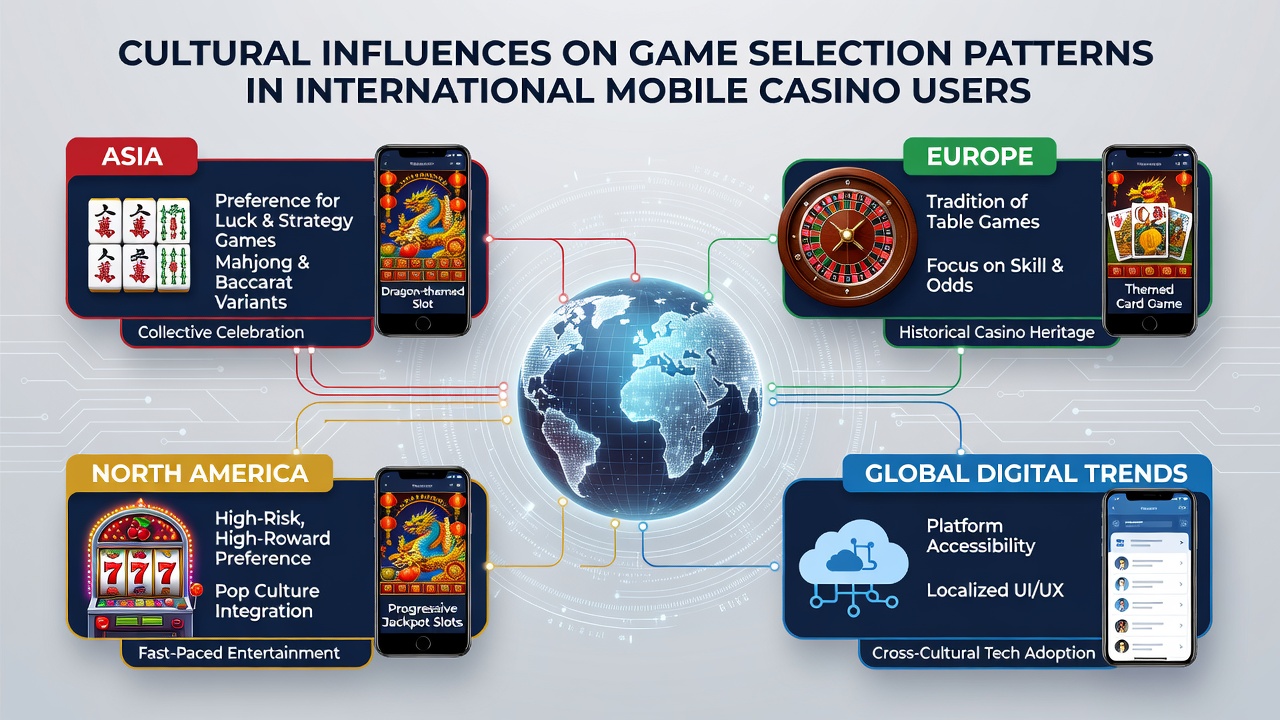
What's interesting is how language localization interacts with these patterns, because users encountering culturally resonant terminology in their native scripts demonstrate extended play duration according to aggregated reports from industry research groups. European regulatory summaries compiled in late 2026 confirm that multilingual support in table game lobbies correlates with elevated selection among specific national cohorts, whereas Asian markets show parallel effects when games incorporate auspicious color schemes and iconography familiar from traditional festivals.
Data Trends from October 2026 Reports
International gaming associations have released comparative datasets indicating that mobile adoption rates in emerging markets outpace those in established regions, yet game type distributions remain anchored to cultural baselines rather than technological access alone. One study revealed that users in Middle Eastern territories favor skill-influenced wheel variants over pure chance reels, and this aligns with historical board game legacies that value calculated decision making within social contexts. Evidence from university-led investigations in Scandinavia points to preferences for minimalist interface designs in card games, reflecting broader societal values around simplicity and efficiency that carry over into digital selection behaviors.
Those who've analyzed transaction volumes across platforms note that loyalty mechanics tied to cultural holidays generate spikes in specific game categories, for instance reel titles themed around harvest festivals see surges in certain Asian and South American user bases during corresponding periods. Regulatory filings from multiple bodies underscore that age demographics within cultures further refine these patterns, with younger cohorts blending traditional preferences with newer hybrid formats that combine video elements and betting mechanics.
Conclusion
Patterns documented through October 2026 continue to illustrate that cultural heritage exerts measurable influence on mobile casino game selection worldwide, and authorities across diverse jurisdictions track these trends to inform responsible gaming frameworks. Researchers emphasize that understanding these influences supports more tailored platform development while maintaining compliance with regional standards, and ongoing data collection from varied sources will likely refine insights into how tradition and technology intersect on handheld devices.